
Phys-X: the future projects of HEPL
HEPL/Kipac
Experimental Seminars
HEPL and KIPAC jointly conduct a seminar program featuring presentations by world- renowned scientists. Seminars are scheduled at least once a month and last about one hour.
- Location: Physics/Astrophysics Building, Kistler Conference Rooms #102/103 (Map)
- Refreshments: 4:00-4:15 pm
- Presentation: 4:15-5:30 pm
- (Unless otherwise noted in Seminar Announcement)
Fostering Collaborative Research in Physics & Engineering
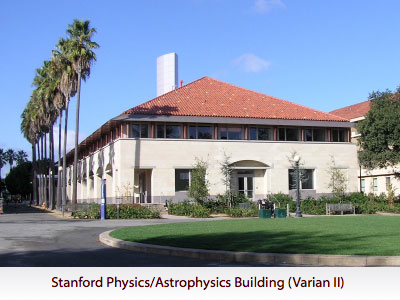
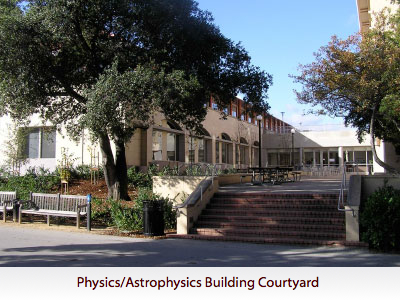
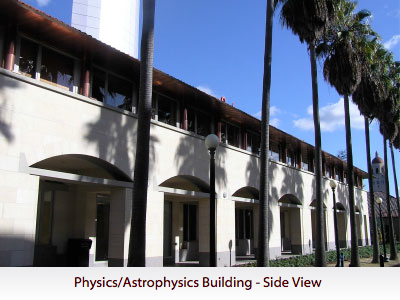
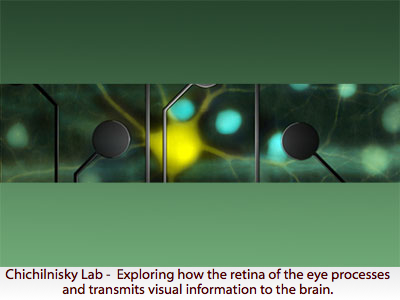
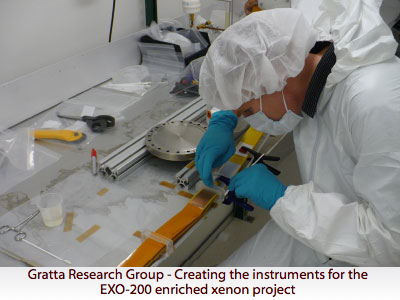
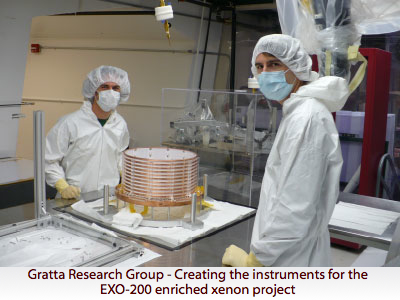
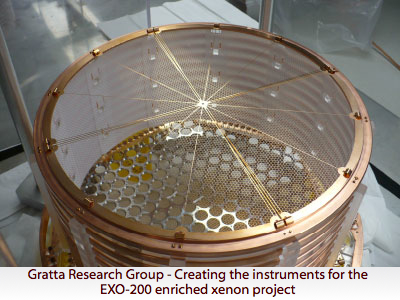
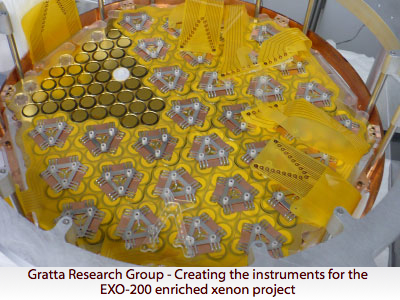
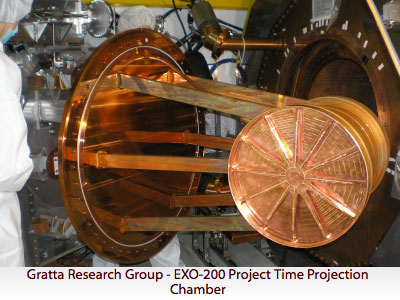
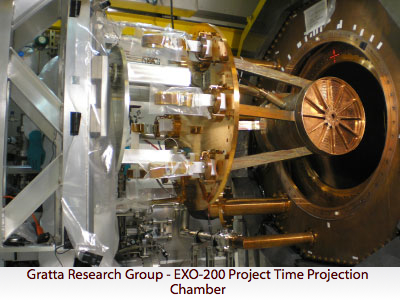
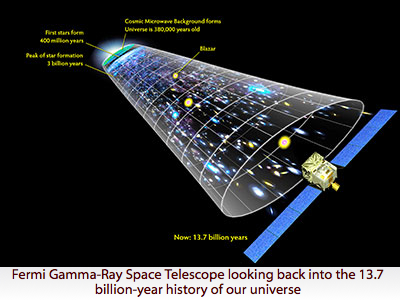
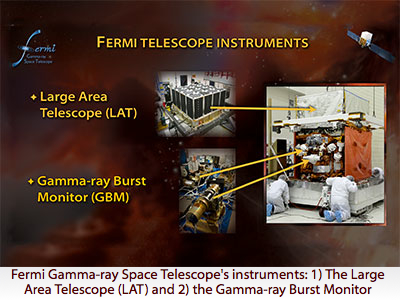
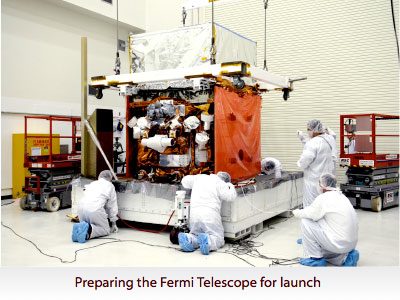
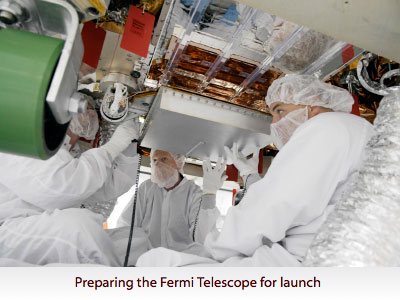
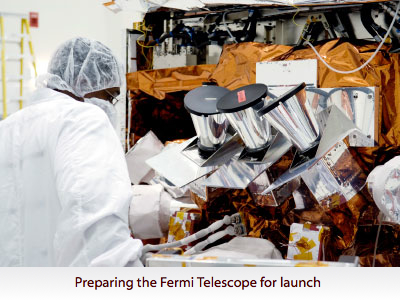
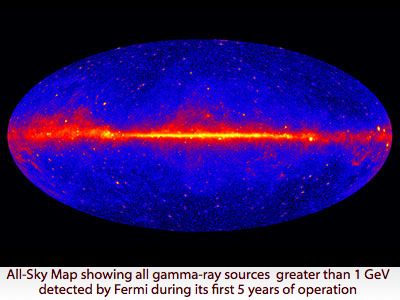
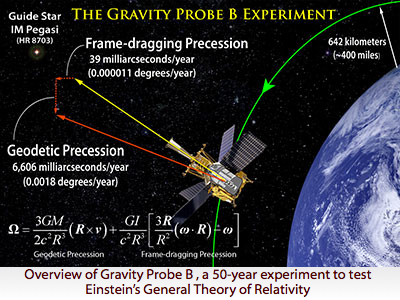
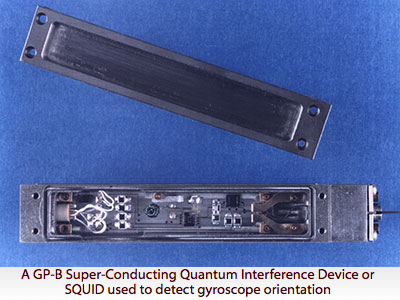
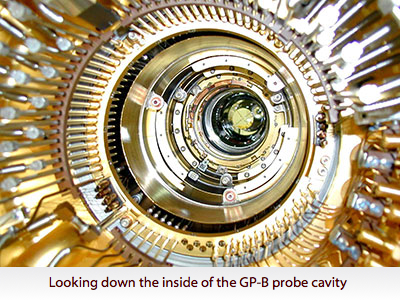
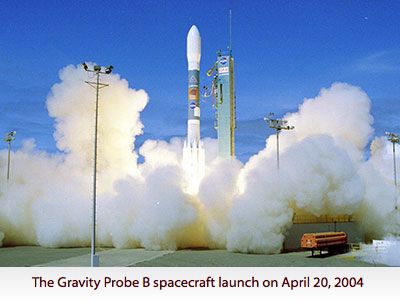
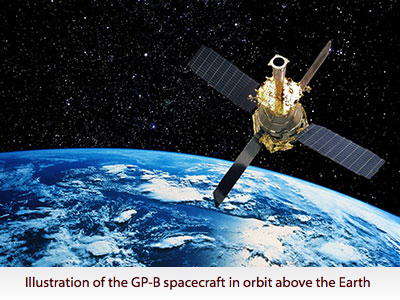
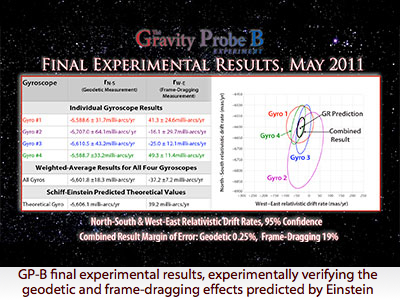
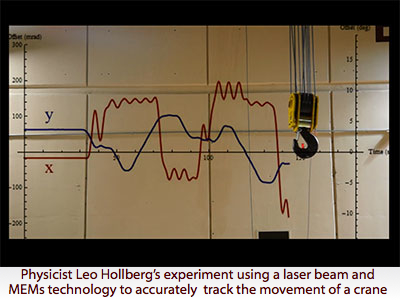
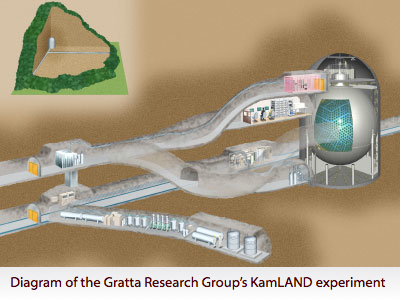
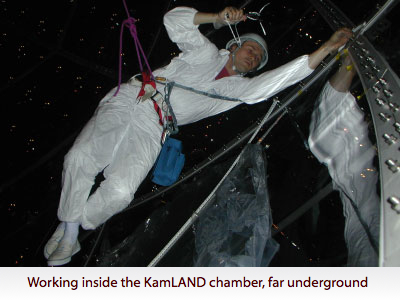
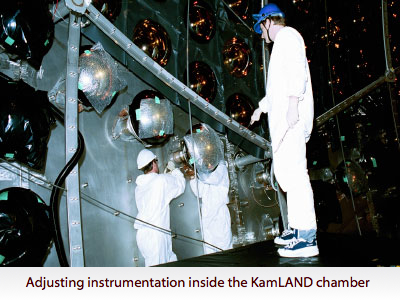
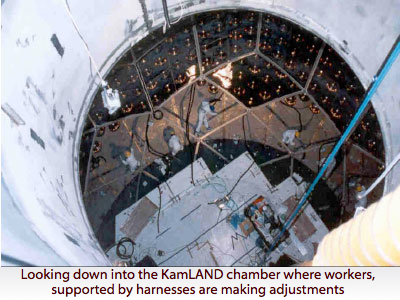
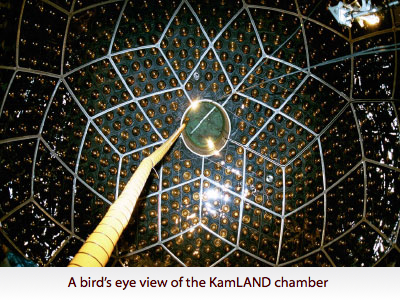
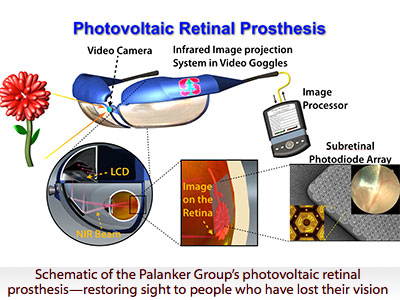
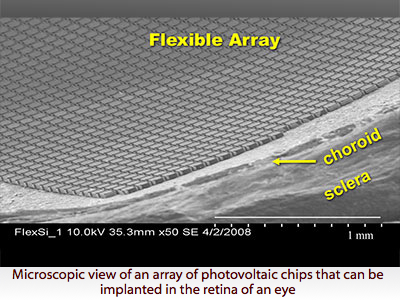
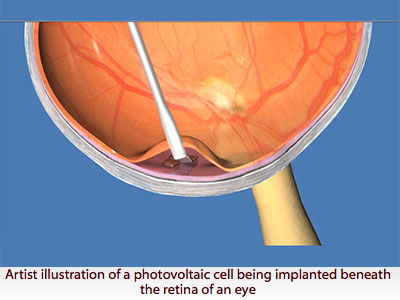

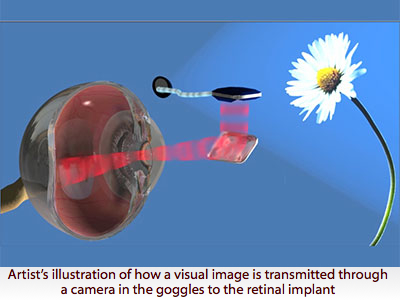
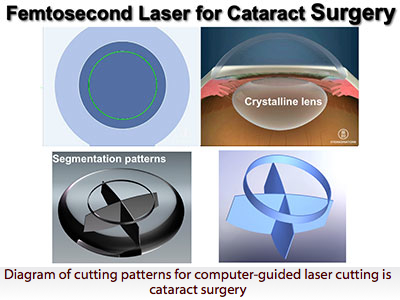
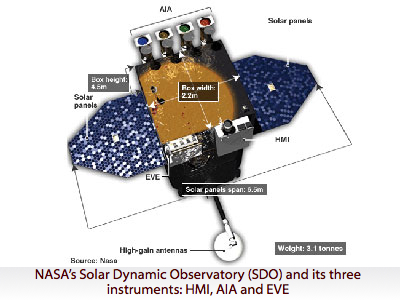
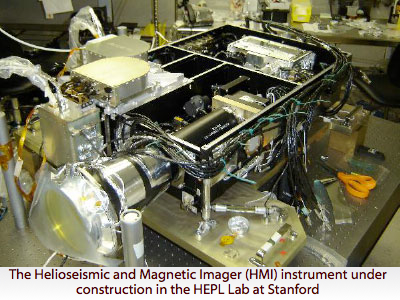
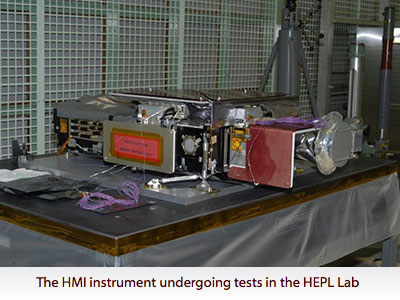
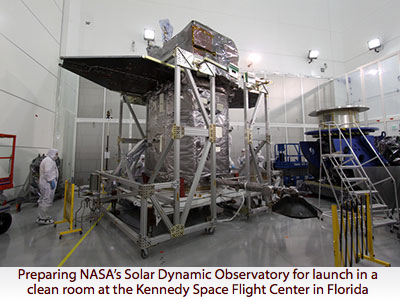
HEPL, founded in 1947 as Stanford's first Independent Laboratory, provides facilities and administrative structure enabling faculty to do research that spans across the boundaries of a single department or school—for example: physics & engineering or physics & biology/medicine. The Independent Laboratory concept, in many ways unique to Stanford, facilitates world-class research and teaching.
For more information about HEPL research, see the Research page.
News in Brief

Observations of the Geminga pulsar,
shown in this illustration, made by the
High-Altitude Water Cherenkov
Observatory in Mexico indicate that it
and another nearby pulsar are unlikely
to be the origin of excess antimatter
near Earth.
(Image credit: Nahks TrEhnl)
December 7, 2017
Software in development at Stanford advances the modeling of astronomical observations
Software developed by Stanford astrophysicist Giacomo Vianello models and combines otherwise incompatible astronomical observations. It contributed to recent research into the origin of antimatter near Earth.
Reprint of a news story by Taylor Kabota in the Stanford Report, December 7, 2017
A recent study in Science cast doubt on one formerly favored explanation for why an abundance of positrons – the antimatter counterparts of electrons – has been found near Earth. Two nearby collapsed stars, it turns out, aren’t likely to blame because their positrons couldn’t have traveled as far as the Earth.
This finding, which reopens a debate about a possible role for dark matter in creating those anomalous positrons, required piecing together complex data from the High Altitude Water Cherenkov Observatory (HAWC) in Mexico. HAWC, which looks like an array of giant, corrugated steel water tanks, can precisely reconstruct the direction and energy of incoming light – in the form of high-energy gamma-rays – by recording the particle shower that the gamma-ray photons generate when they enter the atmosphere above the detector.
Read full story…
Artist’s rendering of two merging
neutron stars. (Image credit:
NSF/LIGO/Sonoma State
University—A. Simonnet)
October 16, 2017
Stanford experts weigh in on LIGO’s kilanova binary neutron star milestone
The Advanced LIGO gravitational wave detectors have announced their first observation of a binary neutron star coalescence.
Reprint of a news story by Taylor Kabota in the Stanford Report, October 16, 2017
On August 17, 2017, the two detectors of Advanced LIGO, along with VIRGO, zeroed in on what appeared to be gravitational waves emanating from a pair of neutron stars spinning together – a long-held goal for the LIGO team.
An alert went out to collaborators worldwide and within hours some 70 instruments turned their sights on the location a mere 130 million light-years away. Their combined observations, spanning the electromagnetic spectrum, confirm some of what physicists had theorized about this type of event and also open up new areas of research.
Thousands of scientists contributed to this accomplishment, including many at Stanford University, and published the initial findings Oct. 16 in Physical Review Letters and The Astrophysical Journal Letters. This observation and the others that are likely to follow could help further the understanding of General Relativity, the origins of elements heavier than iron, the evolution of stars and black holes, relativistic jets that squirt from black holes and neutron stars, and the Hubble constant, which is the cosmological parameter which determines the expansion rate of the universe.
Read full story...

Stanford Student Space Initiative Website
October, 2017
Stanford’s Student Space Initiative Group (SSI) Sets Up Shop in HEPL South / End Station III
Story by Bob Kahn—HEPL Communications & Webmaster
An energetic group of Stanford undergraduate and graduate students comprising the Stanford Student Space Initiative (SSI) has set up its office/workspace in a warren of rooms on the third floor of HEPL South/End Station III.
Founded in 2013 and now having over 200 members, SSI is a completely student-run organization with the mission of giving future leaders of the space industry the hands-on experience and broader insight they need to realize the next era of space development.
SSI is organized into six teams: High-Altitude Balloons, Rockets, Satellites, Biology, Operations and Policy. Based on their interests and academic specialties, students participate in space-related projects and activities, which range from building and launching high-altitude balloons and rockets to developing a Why Go To Space class in the Stanford Aeronautics and Astronautics Department to inviting speakers from NASA and aerospace companies such as Space X to give presentations. In 2016, a high-altitude balloon launched by the SSI Balloon team from Holister, CA flew for 79 hours, landing in Quebec, Canada—setting a new world record for the longest latex high-altitude balloon flight.