 |
||||||
     |
||||||
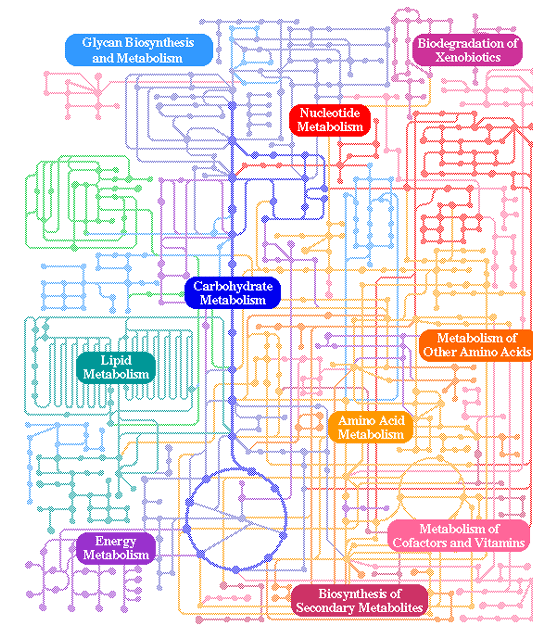
| Research Interests Aging is one of the greatest mysteries in biology, and arguably its next frontier. Old age is the main risk factor for many diseases, including cardiovascular disease, cancer, diabetes, and Alzheimer’s disease. So understanding aging could provide new avenues to understand and counter many diseases at once. Yet our understanding of aging is still rudimentary because aging is an extraordinarily complex process that defies many conventional rules in biology. There are still many open questions about aging. The ones that fascinate us the most are: How do external stimuli exert long-lasting effects on aging? Are the mechanisms of aging the same in differentiated cells and regenerative stem cells? Can aging features be reversed? Is the lifespan of an individual affected by other individuals? How have vastly different lifespans evolved in nature? Could understanding 'suspended animation' teach us something new about aging? Aging is a very complex phenotype. To tackle the complexity of aging, we use a unique multi-organismal approach. To identify new genes and new concepts regulating aging, we use short-lived organisms (C. elegans and the African killifish) because of their high-throughput abilities. Importantly, we have been pioneering the naturally short-lived African killifish as new vertebrate model to study aging and suspended animation. To translate our findings to mammals and identify specific principles of mammalian longevity, we use mice and cells from humans, focusing on regenerative stem cells. Projects 1) Diet and metabolism in aging We are interested in the role of diet in aging and longevity. Combining C. elegans and mammalian cells, we have explored the role of the nutrient-sensing pathways (e.g. insulin-FOXO, AMP kinase (AMPK), and mTOR pathways) in longevity and associated cellular functions. We want to understand how switches in metabolism, notably lipid metabolism, lead to longevity and long-term survival.
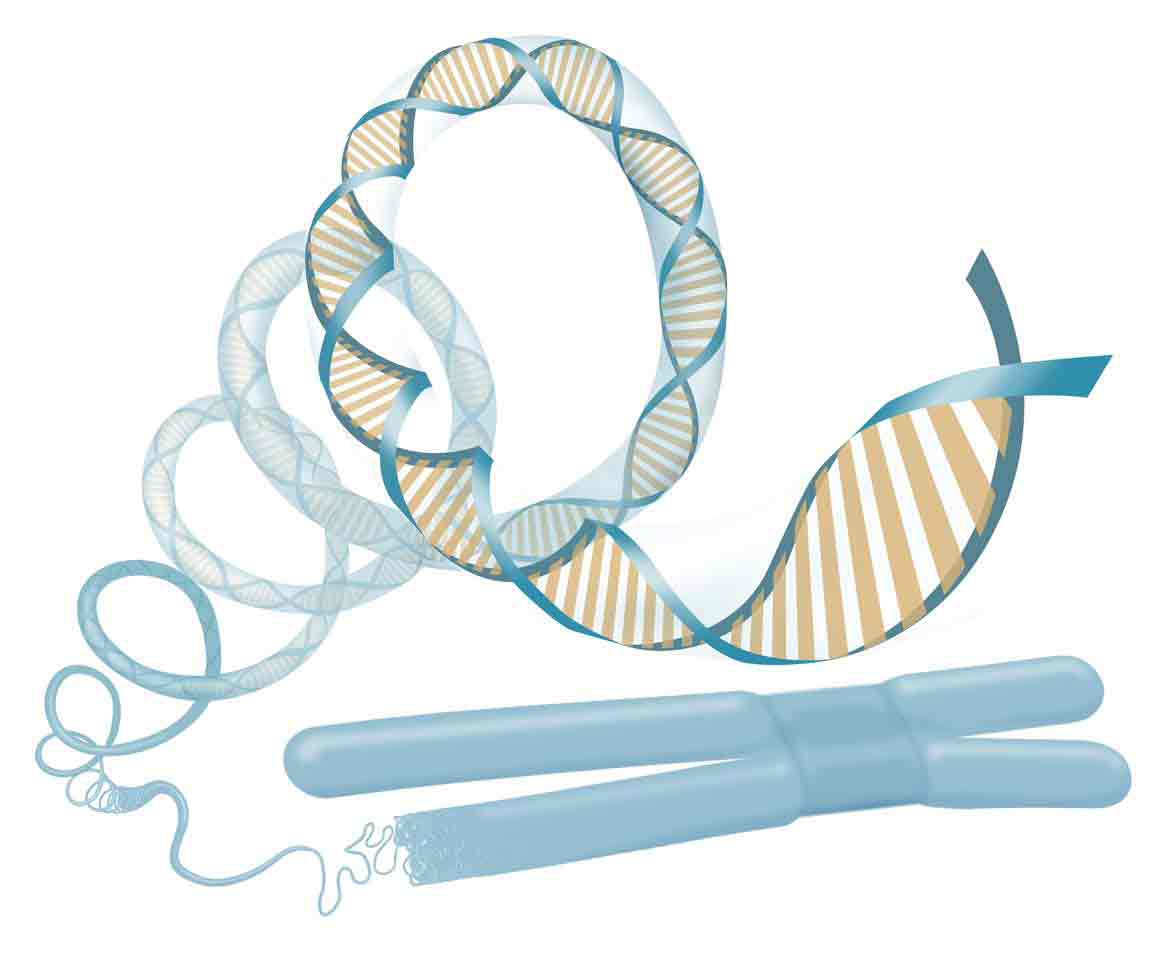
2) Epigenetic integration of external aging signals (food, sex, etc) Our lab seeks to understand how external signals that impact aging, such as food and sex, are integrated in a long-lasting manner. We have discovered that chromatin modifiers that catalyze the trimethylation of lysine 4 in histone H3 (H3K4me3) and H3K27me3 both influenced lifespan, and that they lead to a transgenerational inheritance of longevity. We are interested in understanding how chromatin states change with age and how epigenetic modifiers integrate environmental stimuli (food, sex, pathogens, etc) to regulate lifespan.
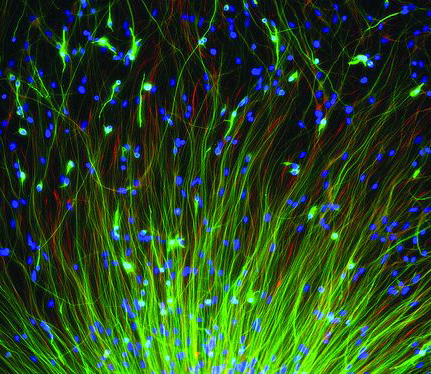
3) Mechanisms of stem cell aging Our lab is using mammals to understand the regulation of adult regenerative stem cells during aging. We are particularly interested in neural stem cells (NSCs). We examined the role of FOXO transcription factors in the maintenance of NSCs. More recently, we have embarked on the systematic evaluation of transcriptomic, epigenomic, and metabolomic changes in aging NSCs, with the goal of improving old NSC function.
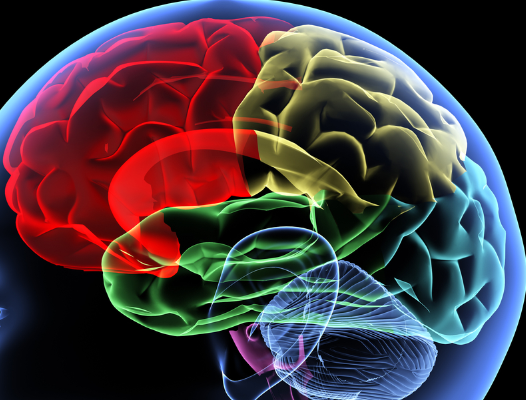
4) Brain aging and rejuvenation We are interested in understanding the determinants of cognitive aging and to determine if aspects of brain aging can be rejuvenated. Our work in mice has led us to identify genes and pathways that are critical for the maintenance of neural stem cells and that affect neuronal differentiation and function. We are keen on testing the role of these genes in maintaining brain function.
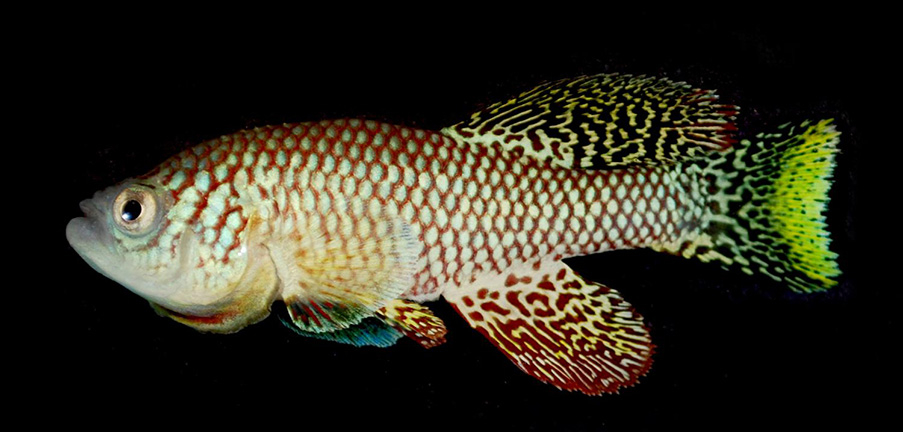
5) The African turquoise killifish – a new model for aging and 'suspended animation' Our lab is pioneering the naturally short-lived African turquoise killifish as a new model for aging and 'suspended animation' in vertebrates. The African killifish lives in ephemeral ponds in Zimbabwe and Mozambique and has adapted, over evolutionary time, to this harsh environment with a short lifespan and a state of 'suspended animation' called diapause. In the lab, the African killifish lives ~6 months and exhibit signs of aging and age-related diseases during this short lifespan. We have developed the genetic toolkit for this fish. We are excited to use this new system to ask: what are the vertebrate-specific genes that affect lifespan? How is suspended animation regulated? What is responsible for the vast differences in lifespan between species in nature?
|
||||||