Current members - in alphabetical order
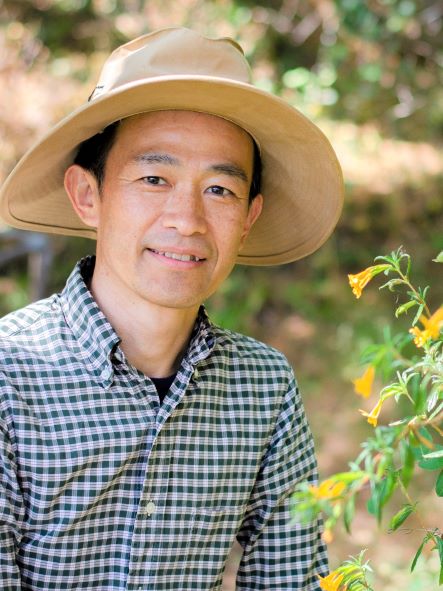
Tadashi Fukami
ProfessorE-mail: fukamit at stanford dot edu
CV
Tad's primary interest is to understand historical contingency in community assembly, but he is also broadly interested in how species interact with one another in ecosystems, and enjoys working with other lab members on the projects that they bring to the lab. He earned his PhD at the University of Tennessee, Knoxville, with Jim Drake and Dan Simberloff. He was then a postdoctoral fellow at Manaaki Whenua - Landcare Research in New Zealand and Assistant Professor at the University of Hawaii at Manoa before joining the Stanford faculty in 2008.

Rosa McGuire
Postdoctoral fellowE-mail: rmcguire at stanford dot edu
Google Scholar
Rosa is interested in combining theoretical and experimental approaches to study species interactions. She completed her PhD in 2023 with Priyanga Amarasekare at the University of California Los Angeles. She investigated how the temperature effects on life history traits scale up from individuals to population dynamics. Rosa worked with the bean beetle, Callosobruchus maculatus, as her model organism. She found that maturation rate might represent a constraint to adaptation to warming, and that the temperature response of competition differs at low versus high temperature extremes, leaving populations prone to stochastic extinctions. Rosa joined the lab in 2023 as an NSF Postdoctoral Research Fellow and will study temperature effects on community assembly using nectar microbes.
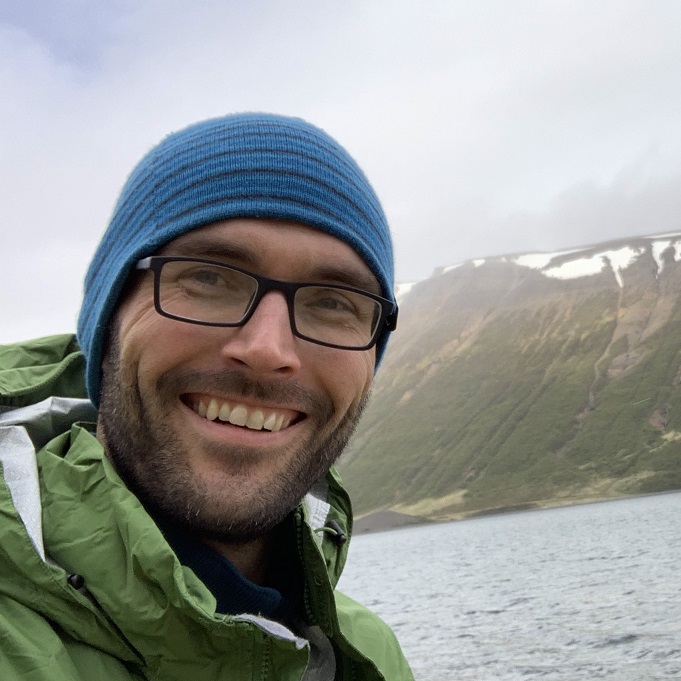
Lucas Nell
Postdoctoral fellowEmail: lnell at stanford dot edu
Web site
Lucas studies how ecology and evolution interact to shape biodiversity. He completed his PhD in 2022 with Tony Ives at the University of Wisconsin–Madison. His dissertation used a combination of theory, experiments, and genomics to ask three main questions: How is variation maintained when ecological and evolutionary processes occur on similar timescales? When should coevolution favor competitive coexistence versus exclusion? How do high-amplitude population fluctuations influence genome evolution? Lucas joined the lab in 2022 as an NSF Postdoctoral Research Fellow. He is studying how evolution in nectar microbes influences patterns of alternative community states across spatial scales.
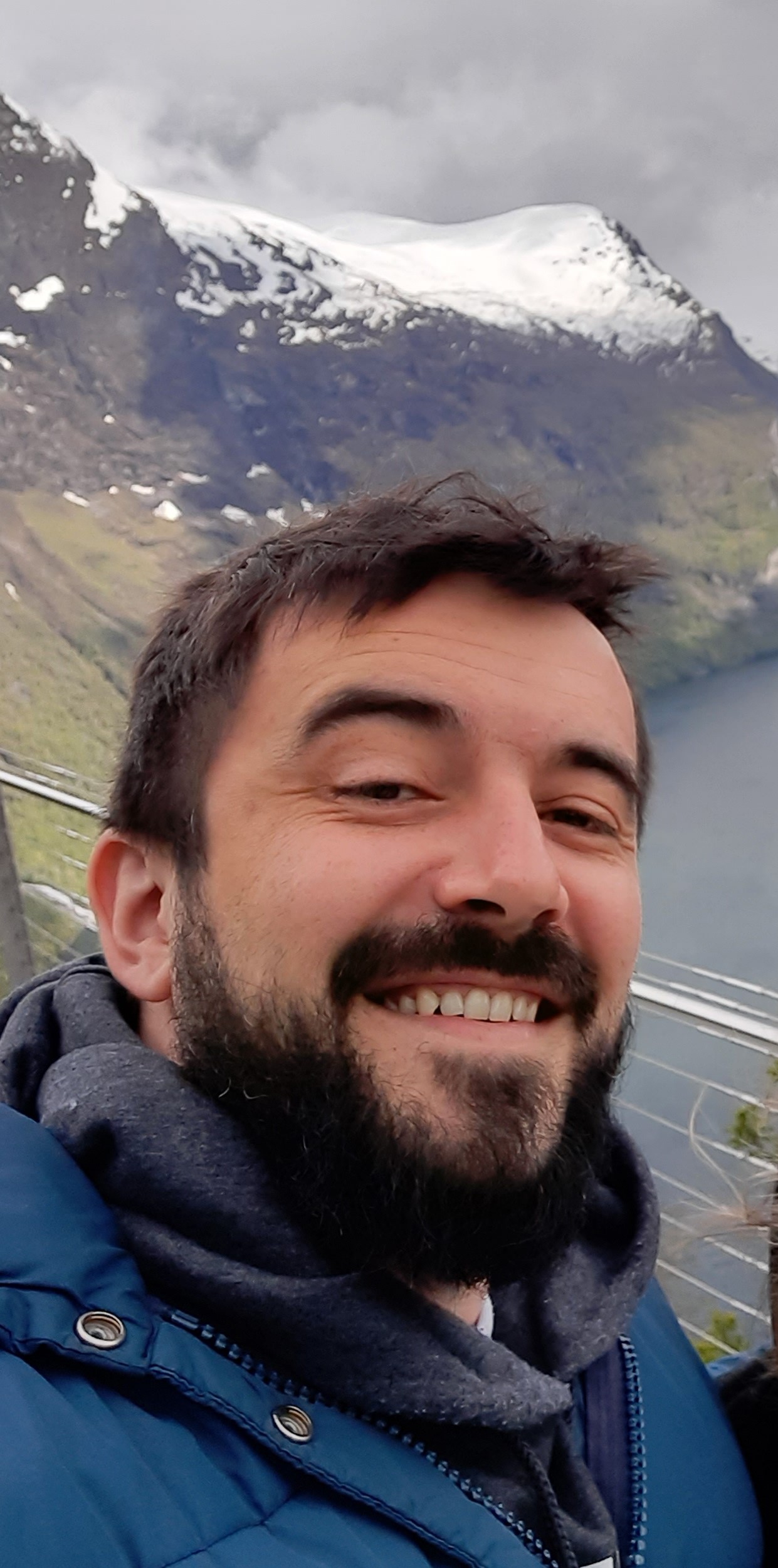
Amaury Payelleville
Postdoctoral fellowEmail: amauryp at stanford dot edu
Google Scholar
Amaury is interested in understanding the interactions between microorganisms, their hosts, and their environment. He discovered entomopathogenic nematodes (EPNs) during his Master's study, and has since then trying to deeply understand all the interactions around their complex life cycle. He did his PhD research in Alain Givaudan's lab on the bacterium Photorhabdus laumondii TT01, which is the symbiont of the EPN Heterorhabditis bacteriophora. He investigated the importance of DNA methylation and epigenetics in the life cycle of P. laumondii, which switches from symbiosis with EPNs to pathogenicity in insects. Amaury then worked as a postdoc in Eric Cascales's lab on the type 6 secretion system of P. laumondii and its role in the competition occurring in the insect cadaver. He also investigated the role and dynamic of the small genetic modules called toxin–antitoxin systems in Laurence Van Melderen's lab. This work involved molecular microbiology of P. laumondii and bioinformatic screening of all available genomes of Photorhabdus to study the functionality of the toxin–antitoxin systems. Amaury joined the lab in February 2023 to investigate the ecology and evolution of the microbial communities associated with EPNs and their role in the ecosystem.
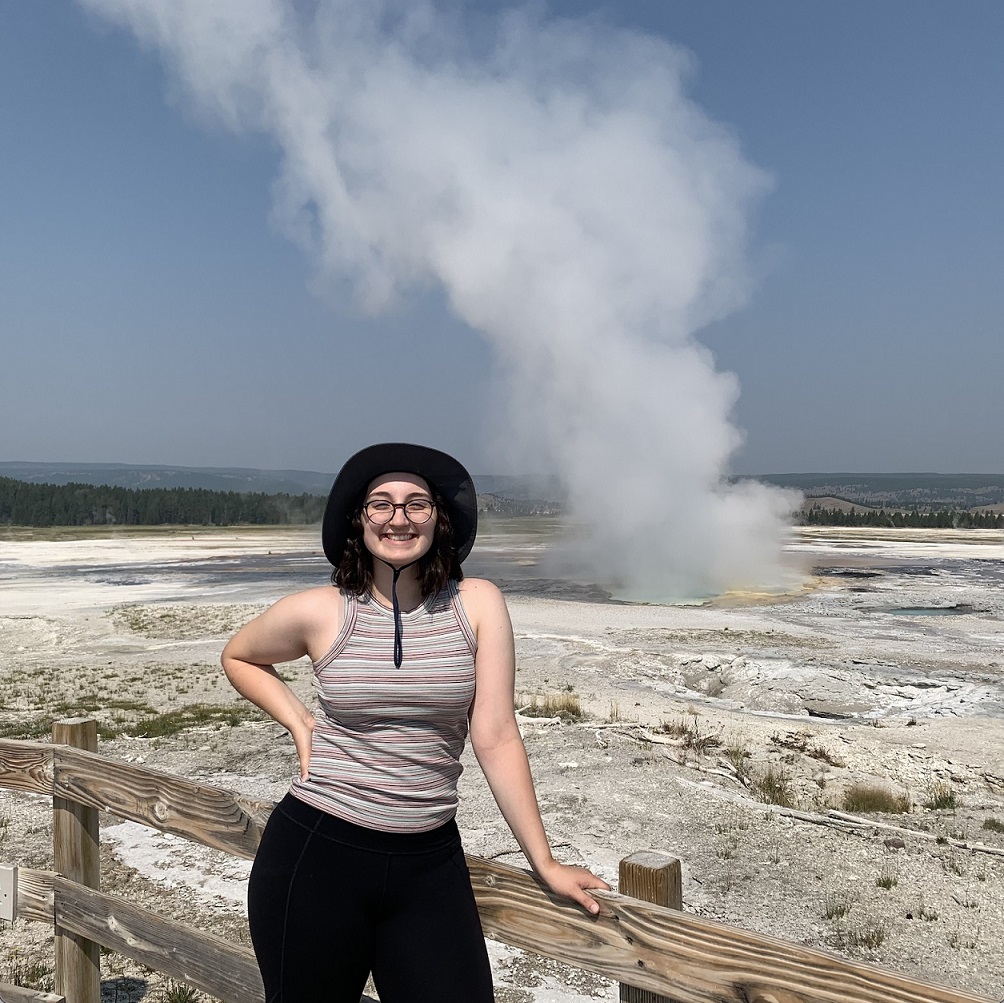
Emma Román
Lab technicianEmail: eroman22 at stanford dot edu
Web site
Emma received an undergraduate degree from Middlebury College in Biology in 2022. Through her studies in Vermont, she developed a love for evolutionary ecology and microbial symbioses. While she enjoys terrestrial activities, such as gardening and hiking, in her free time, two internships and several courses she took during her undergraduate career opened her eyes to the wonders of aquatic research. Currently, Emma is a lab technician on a project centered around the symbioses between the coral reef fish, Siphamia tubifer, and the luminous bacterium, Photobacterium mandapamensis. This project is a collaboration between Alison Gould at California Academy of Sciences and Tad Fukami at Stanford.
Ethan VanValkenburg
PhD studentE-mail: evanvalk at stanford dot edu
Web site
Ethan is interested in community ecology, plant-pollinator interactions, and how ecological networks respond to global change. He completed his BS in Ecology and Evolutionary Biology at the University of Michigan, Ann Arbor. He completed his honors thesis under Nate Sanders and Paul CaraDonna, studying sodium in nectar and its role in structuring plant-pollinator interactions at the Rocky Mountain Biological Station. During his undergraduate studies, he also investigated how climate and topography shape the dietary ecology and global biogeography of ungulate mammals with Catherine Badgley and Bian Wang. Ethan joined the lab in fall of 2023.

Magdalena Warren
PhD studentE-mail: mlwarren at stanford dot edu
Maggie is interested in microbial community ecology, and the effects that these communities have on their hosts, such as through production of secondary metabolites. She is fascinated by the impacts these organisms have on their chemical environments, and the influences of gradients, such as temperature and pH, on microbial communities. Maggie completed her BS in Cellular and Molecular Biology at California State University, Dominguez Hills, where she worked with Kathryn Theiss and Karin Kram, studying the nectar microbiome of Asclepias curassavica, a non-native tropical milkweed, across the urban heat island gradient of Los Angeles, to explore the connections between temperature, location, and the intricate microbe-plant-pollinator relationships, published in PLoS ONE. She also studied the induction of secondary metabolites by Salinispora tropica, a marine obligate actinomycete, through competition with environmental bacteria under Paul Jensen at the Scripps Institution of Oceanography. Maggie joined the lab in summer 2018 as an ADVANCE fellow and an NSF Graduate Research Fellow. To learn more, listen to her Roots to STEM podcast interview.
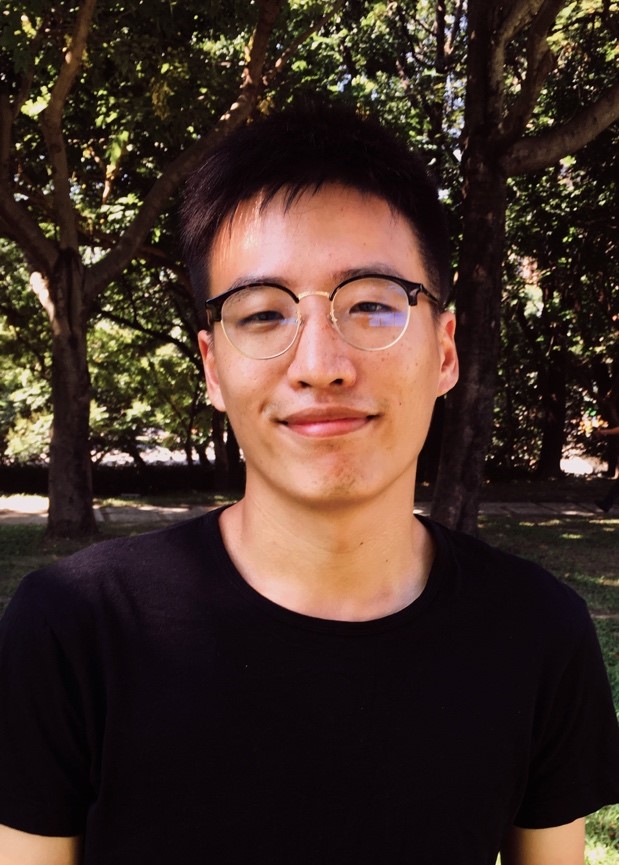
Chih-Fu Yeh
PhD studentE-mail: yehcf at stanford dot edu
Chih-Fu is interested in constructing simple information from complex ecosystems by building dynamical networks and analyzing data nonlinearly. As an undergraduate exchange student at the University of Helsinki, Chih-Fu worked with Janne Soinininen and Jianjun Wang to study the taxonomic scale dependence of elevational patterns in microbial diversity, published in Molecular Ecology. During his Master's studies at National Taiwan University, Chih-Fu worked with Chih-hao Hsieh on the effects of organic matter stoichiometry on marine microbial diversity and functioning. Chih-Fu joined the lab in fall 2019 and studies processes shaping microbial community assembly.
In addition, we often have undergraduate students in our lab, working on their thesis projects or assisting others to gain research experience. Many are funded by Stanford VPUE and NSF REU.
Our lab also hosts visiting students and scholars from other institutions. See below for former members.
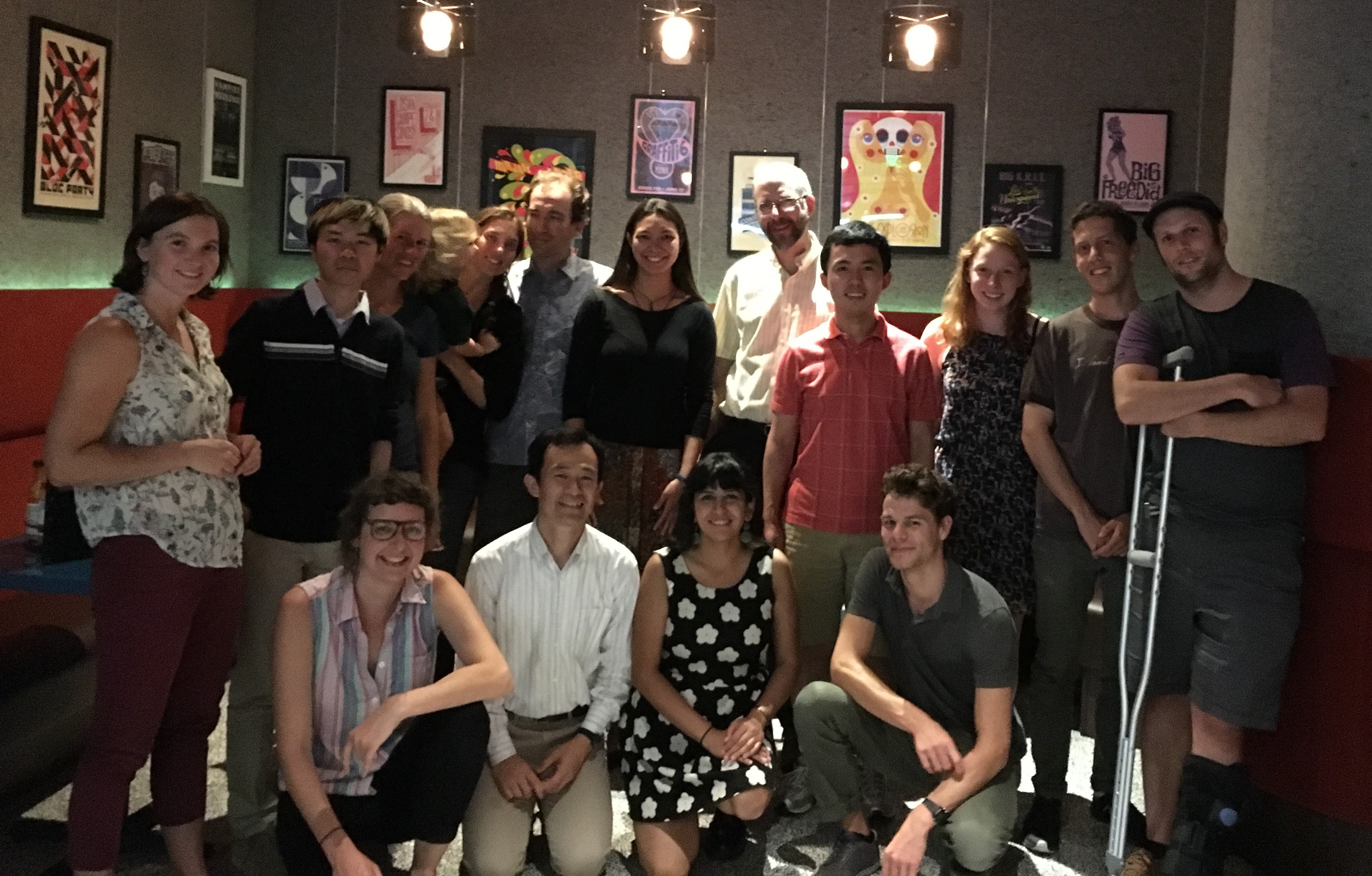
August 2017 - Current and former lab members who attended ESA. Back row from left to right: Jes Coyle, Po-Ju Ke, Rachel Vannette, Devin Leopold and family, Holly Moeller, Ian Dickie (collaborator), Kai Zhu, Marion Donald, Noam Rosenthal, Andrew Letten. Front row from left to right: Tess Grainger, Tad Fukami, Priscilla San Juan, Nick Hendershot.
Former members and current affiliation
PhD students
Matthew Knope, 2006-2012, Asssociate Professor, University of Hawai‘i, HiloMelinda Kliegman, née Belisle, 2008-2013, Director of Public Impact, Innovative Genomics Institute
Holly Moeller, 2010-2015, Assistant Professor, UC Santa Barbara
Devin Leopold, 2012-2017, Bioinformatics Scientist, Jonah Ventures
Po-Ju Ke, 2014-2019, Assistant Professor, National Taiwan University
Nick Hendershot, 2015-2020, Sierra Nevada Forest Ecologist, TNC
Priscilla San Juan, 2016-2022, Postdoc fellow, Natural History Museum of Los Angeles
Callie Chappell, 2017-2023, Postdoc fellow, Stanford University
Visiting PhD students
Caroline Tucker, 2012, Assitant Professor, UNC-Chapel Hill (previously)Tess Grainger, 2017, Postdoc fellow, University of British Columbia
Marion Donald, 2017, 2018, Postdoc fellow, Landcare Research, New Zealand
Postdoctoral fellows
Kabir Peay, 2010-2011, Associate Professor, Stanford UniversityBen Callahan, 2010-2014, Assistant Professor, North Carolina State University
Rachel Vannette, 2011-2015, Associate Professor, UC Davis
Peter Zee, 2013-2015, Assistant Professor, University of Mississippi
Meike Wittmann, 2014-2015, Junior professor, Bielefeld University
Kai Zhu, 2014-2015, Associate Professor, University of Michigan
Manpreet Dhami, 2014-2017, Senior Researcher, Landcare Research, New Zealand
Andrew Letten, 2015-2017, Lecturer, University of Queensland
Niv DeMalach, 2018-2019, Senior Lecturer, Hebrew University of Jerusalem
Megan Morris, 2018-2020, Postdoc fellow, Lawrence Livermore National Lab
Leslie Decker, 2018-2021, Scientist II, Perfect Day
Amanda Wu, 2022-2023, Lecturer, Stanford University
Master's student
Noam Rosenthal, 2017-2018, PhD student, UCLAVisiting scholars
Hirokazu Toju, 2015-2016, Associate Professor, Kyoto UniversityKaoru Tsuji, 2015, 2017, 2021-2022, Associate Professor, Kobe University
Technician
Marie-Pierre Gauthier, 2011-2014, Biological Scientist, University of FloridaLecturer
Jessica Coyle, 2016-2018, Assistant Professor, St. Mary's College of CaliforniaJesse Miller, 2018-2022, Natural Heritage Botanist, State of Washington